15+ years.
First timer can apply, previous trekking experience is more appreciated.
Cover 5 km of distance in 30 minutes without a stress.
Day 01: Haridwar – Barkot (210kms/7-8hr)
Barkot by means of Mussoorie, on the way visit Kempty Fall in Mussoorie. Later drive directly to Barkot. Look into the lodging appearance in Barkot. Remain for the time being at Inn in Barkot.
Barkot Weather – For the most part pleasant in summer, the temperature goes from 25-30 degree Celsius, Winter: The Days are wonderfully cool yet the evenings are cold, temp goes from 10 deg to 05 deg.
Day : 2 Barkot – Yamunotri – Barkot (36kms drive & 5 kms Trek )
Early morning after breakfast (pressed breakfast), move to Jankichatti/Phoolchatti and star journey from here to Yamunotri (6kms) (Either by walk or by horse or by Doli at own expense). Subsequent to cleaning up in Jamunabai Kund’s warm water and having “Darshan” of “Yamunaji” back to Jankichatti by journey. Later moving towards Barkot, Remain for the time being at Inn in barkot.
Yamunotri Temple – Maharani Gularia of Jaipur built the sanctuary in the nineteenth Hundred years. It was annihilated two times in the current 100 years and remade once more. At Yamunotri, One can cook rice by pressing it in a material and dunking it in the hot water of the Tapt kund. Travelers bring this cooked rice back home as “Prasad”. Here close to the sanctuary “Pooja” can be proposed to Divya Shila.
Surya Kund – There are Various warm springs close to sanctuary, which streams into various pools. The most critical of these is Surya Kund.
Yamunotri Weather – In summer the greatest temp is 18 degrees and the base is 10 degrees Celsius. The days are wonderfully cool however the evenings are cold.
Day : 3 Barkot – Uttarkashi (100kms/4hr)
Morning after breakfast, move to Uttarkashi. Look into the inn came to in Uttarkashi. Visit Kashi Vishwanath Sanctuary in Uttarkashi. Remain for the time being at Lodging in Uttarkashi.
Uttarkashi is home to various ashrams, sanctuaries. The name of the town mirrors its closeness to and area (as north of) the city of Kashi (Varanasi). Like Varanasi, town of Uttarkashi is additionally arranged on the banks of Waterway Ganga.
Vishwanath temple – Vishwanath sanctuary is one of the most seasoned Shiva sanctuaries in Northern India. Re-worked in 1857 by Maharani Khaneti Devi of Tehri State in the old engineering style. It is arranged at the core of the town. A weighty iron harpoon, emblematic of heavenly mother’s, is raised and revered from days of yore at the sanctuary complex. Ganeshji, Sakshi Gopal, Markandeya Rishi’s little places of worship are additionally important for the sanctuary complex. Akhand Jyoti as well as Akhand Abhishek, extraordinary aarti at morning and night are advertised. According to Skunda Puran, Uttarkashi is known as ‘Saumya Varanasi’, the residence of Ruler Shiva in Kaliyug and considered one of the twelve Jyotirlingas.
Shakti temple – Directly before the Vishwanath sanctuary is Shakti sanctuary. It has a major ‘Trishul (Spear)’ of around 6 meters in level and a circuit of 90 cms. at base. However there are various perspectives about the creation of this, the upper piece of it is by all accounts comprised of iron and the lower one is of copper. According to the sagas this Shakti was tossed on the fiends by the Goddess Durga (Shakti), consequently it gets its name. From that point forward this Shakti is raised here.
Uttarkashi Weather – For the most part blistering in summer, the temperature goes from 30-35 degree Celsius yet evenings is charming, cold in winters.
Day : 4 Uttarkashi – Gangotri – Uttarkashi (100kms/3-4 each side)
Early morning (pressed breakfast) move to Gangotri, on the way at Gangotri take a hallowed plunge in Garam Kund, further drive to Gangotri by means of wonderful Harsil Valley. Harsil is popular for its tendency magnificence and for the great perspectives on the Deodar trees and mountains. On landing in Shree Gangotri, take a blessed dunk in the holy waterway Ganges which is likewise called Bhagirathi at its starting point. Perform Pooja and Darshan, after that rest for quite a while in the beautiful environmental factors. Later return to Uttarkashi. Remain for the time being at Inn in Uttarkashi.
Gangotri Temple – The temple was built by the Gorkha General Amar Singh Thapa in the 18th Century, is situated on the right bank of Bhagirathi.
Gangotri Weather – The maximum temperature during summer can go up to 20° Celsius. Summer nights can get cooler with a minimum temperature of 10° Celsius. Light woolen clothes are required while visiting Gangotri during summer. Winter season is very chilly in Gangotri. Gangotri will be covered in sheets of snow during winter. Pilgrim centres remains closed throughout winter due to massive snow falls.
Day : 5 Uttarkashi – Guptkashi/Sonprayag (220kms/8-9hr)
Morning after breakfast, move to Guptkashi via Moolgarh & Lambgoan. On the way you can see the beautiful river Mandakini at Tilwara. The Mandakini River comes from Kedarnath, drive alongside the river to reach Guptakashi, visit Ardh Narishwar Temple in Guptakashi. Check into the hotel arrival in Guptakashi. Stay overnight at Hotel in Guptkashi.
Guptakashi – The name Gupt Kashi means “Hidden Benares. Mythology describes how when the Pandava brothers were searching for a glimpse of Shiva, Shivji first concealed himself at Guptkashi, but later fled from them further up the valley to Kedarnath, where the Pandavas finally got their wish fulfilled. There are more tangible relations as well-the Kedarnath pandas (priests) live in Guptkashi during the winter months, and after the Kedarnath temple closes for the winter, the image of Kedarnath passes through Gupt Kashi on its way to Ukhimath (across the valley), where it stays for the winter.
Guptkashi Weather – Agreeable in summer, the temperature ranges from 25-30 degree Celsius. Cold in winters.
Day : 6 Guptkashi/Sonprayag – Kedarnath – Guptkashi/Sonprayag (30kms by road & 19kms Trek one way) Height: 3384 mts.
Early morning after breakfast departure for Kedarnath dham. Enjoy Kedarnath Darshan. Stay overnight at Kedarnath Govt. Guest House. By Helicopter – Morning our driver will drop you your prebook Helipad. You can inform driver about your arrival time whether it will by helicopter or by trek, so that Driver will be there to pick you up. (Note: helicopter ticket is not included in this package).
By Trek – Morning our driver will transfer you at Sonprayag then you have to take local jeep for Gaurikund & then your trek start for kedarnath ji. After darshan you follow same & return to Sonpraag. There is big parking issue so driver will back to other palace if his contact no. in not working then you have to arrange other taxi or wait for your driver.
Kedarnath – The Kedarnath shrine, one of the 12 jyotirlingas of Lord Shiva, is a scenic spot situated, against the backdrop of the majestic Kedarnath range. Kedar is another name of Lord Shiva. According to legend, the Pandavas after having won over the Kaurava in the Kurukshetra war, feel guilty of having killed their own brothers and sought the blessings of Lord Shiva for ransom. He eluded them repeatedly and while fleeing took refuge at Kedarnath in the form of a bull. On being followed he dived into the ground, leaving his hump on the surface.
Kedarnath Weather – Due to its high elevation the weather in Kedarnath remains cold for most part of the year. Summer here is cool and agreeable while winter is severe. During summer season the temperature varies around 20°Celsius. Light woolen wear is recommended. Winter season in Kedarnath is severe with mercury falling to as low as 0°Celsius. During this time the place experiences snowfall as well. Due to the extreme chilly climatic conditions, this time is usually avoided by tourists.
Day : 7 Guptkashi/Sonprayag- Badrinath (160kms/7hr) Height: 3133 mts.
Morning after breakfast, move to Badrinath. Check in to the hotel arrival in Badrinath. Pilgrims after having a bath in the Taptkund have the Darshan of Badrivishal & Aarti in evening. Brahamakapal is important for Pinddan Shraddh of ancestors (Pitrus). There are other interesting sightseeing spot like Mana, Vyas Gufa, Maatamoorti, Charanpaduka, Bhimkund and the “Mukh” of the Saraswati River. Just within the three kms of Badrinathjee. Stay overnight at Hotel in Badrinath.
Mana Village – Inhabited by an Indo-Mongolian tribe, it is the last Indian village before Tibet.
Vasundhara – As the name suggests, Vasundhara is a magnificent and beautiful water fall. This place is 5 kms. from Badrinath out of which 2 kms. is motor able up to Mana.
Bhim Pul – On the other side of Mana village, a heavy rock forming a natural bridge, lies over the roaring Saraswati river. It presents a spectacular view of water thundering down through the narrow passage under the rock and is believed to have been placed there by Bhim, the second eldest among the five Pandava brothers.
Vyas Gufa (cave) – Nearly Mana Village, this is a rock-cave where Ved Vyas is believed to have appeared the Mahabharata and the pauranic commentaries.
Badrinath Weather – The maximum temperature will be around 18° Celsius and the average minimum is 8° Celsius. Warm and woolen clothes are hence required for a stay in Badrinath throughout the year. Winter in Badrinath is often accompanied by snow falls. Winter is very chilly with an average temperature of 5° Celsius. Due to the extreme chilly climatic conditions of weather, this time is usually closed for tourists.
Day : 8 Badrinath – Joshimath – Rudraprayag (160kms/7hr) Height: 895 mts.
Morning after breakfast, driver for Rudraprayag via Joshimath. Visit on the way Narsingh Temple in Joshimath later drive back to Rudraprayag via Joshimath. Check into the hotel arrival in Rudraprayag. Overnight stay at Rudraprayag.
Joshimath is situated on the slopes above the confluence of the rivers Alaknanda and Dhauliganga. Of the four ‘Maths’ established by Adi Shankaracharya, Joshimath is the winter seat of Badrinath. The idol is brought down to Joshimath and installed in the temple for people to worship. There are many other temples in the township. The most important is the temple of Nir Singh with the idol of Lord Vishnu. The left arm of this deity is getting destroyed with time and the popular belief holds that the day the arm completely withers Badrinath valley will cease to exist and the Gods will transfer the residence into the neighboring Niti Valley at Bhavishya Badri.
Rudraprayag is one of the Panch Prayag (five confluences) of Alaknanda River. It is confluence of rivers Alaknanda and Mandakini. Kedarnath, a Hindu holy town is located 86 km from Rudraprayag.
Rudraprayag Weather – Generally hot in summer, the temperature ranges from 35-40 degree Celsius, Winter: The Days are pleasantly cool but the nights are cold, temp ranges from 20 deg to 05 deg.
Day : 9 Rudraprayag – Haridwar (165kms/5-6hr)
Morning after breakfast, drive for Haridwar via Rishikesh. Rishikesh ‘place of sages’ is a celebrated spiritual town on the bank of Ganga and is surrounded by Shivalik range of the Himalayas on three sides. It is said that when Raibhya Rishi did hard penances, God appeared by the name of ” Hrishikesh ” and this area hence firth came to be known as Rishikesh. Later visit Rishikesh Temples Sight Seeing – Laxman Jhulla, Ram Jhulla. Drop at Haridwar.
Rishikesh – Named after the Lord Vishnu, Rishikesh is a spiritual city for Hindus. Located in the foothills of the Himalaya in northern India it is also known as the yoga centre of the world and is home to many world renowned ashrams. Rishikesh styles itself as the ‘Yoga Capital of the World’, with masses of ashrams and all kinds of yoga and meditation classes. The fast-flowing Ganges is surrounded by forested hills inside the city. Apart from temples and ashrams Rishikesh is now a popular white-water rafting centre, backpacker hang-out, and gateway to treks in the Himalaya.
COST – FROM RS 22500/- PER PERSON
Easy/ Moderate
12,500 Ft.
11 Days, 10 Nights
7 to 12 degree
The Char dham Yatra in the abode of Himalayas brings you to the best experience of your life. It is believed that one must visit these place once in their life time as it helps you in achieving moksha. The Char dhan yatra is a set of four pilgrimage sites including Yamunotri the source of Yamuna river abode to the goddess yamuna situated at the altitude of 3293 mts approx. 30kms to Uttarkashi district. Second one is Gangotri on the banks of bhagirathi river and the source of Ganga river at the altitude of 3100mts. It is where goddess Ganga descended when Lord Shiva released the mighty river from the locks of his hair. Third one is Kedarnath located in the Rudraprayag district of Uttarakhand at the altitude of 3583mts at the Chorabhari glacier abode of lord Shiva. Kedarnath is reached through a 16km trek after Gaurikund. The last one is Badrinath the abode of Lord Vishnu located in the Chamoli district of Uttarakhand at the altitude of 3300mts along the bank of Alaknanda river. Neelkanth parvat is visible from Badrinath. All the three dhams except kedarnath are directly accessible through vehicle. The Char dham yatra is only visited during summers as in winters it is covered with snow. The mystics of each site has qualified them to form a sacred pilgrimage tour.
Here is a list of things to consider carrying with you on the Chardham Yatra:
1- Valid ID proof
Always carry a valid ID proof with you. It is mandatory to carry a valid ID proof with you while visiting the temples.
2- Travel documents
Make sure to bring all necessary travel documents, such as your passport or ID card, and any permits or vouchers required for the journey.
3- Cash and cards
Cash is essential while travelling in remote areas, make sure to carry enough cash and also carry a debit/credit card as a backup.
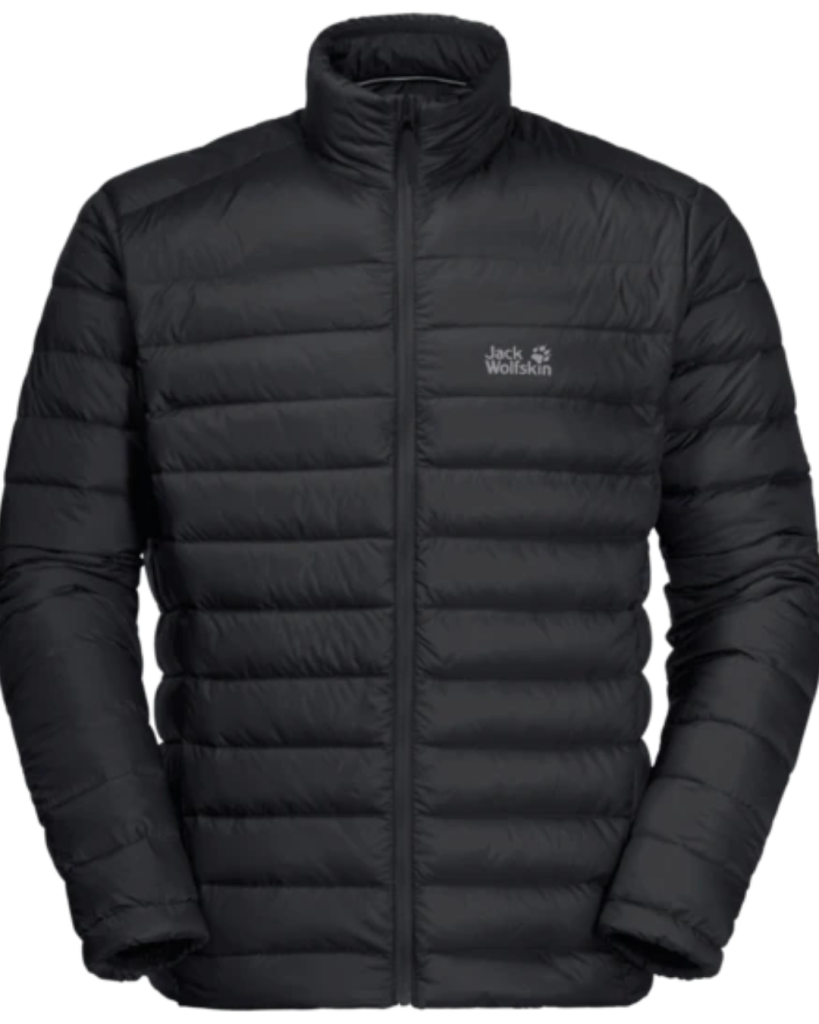
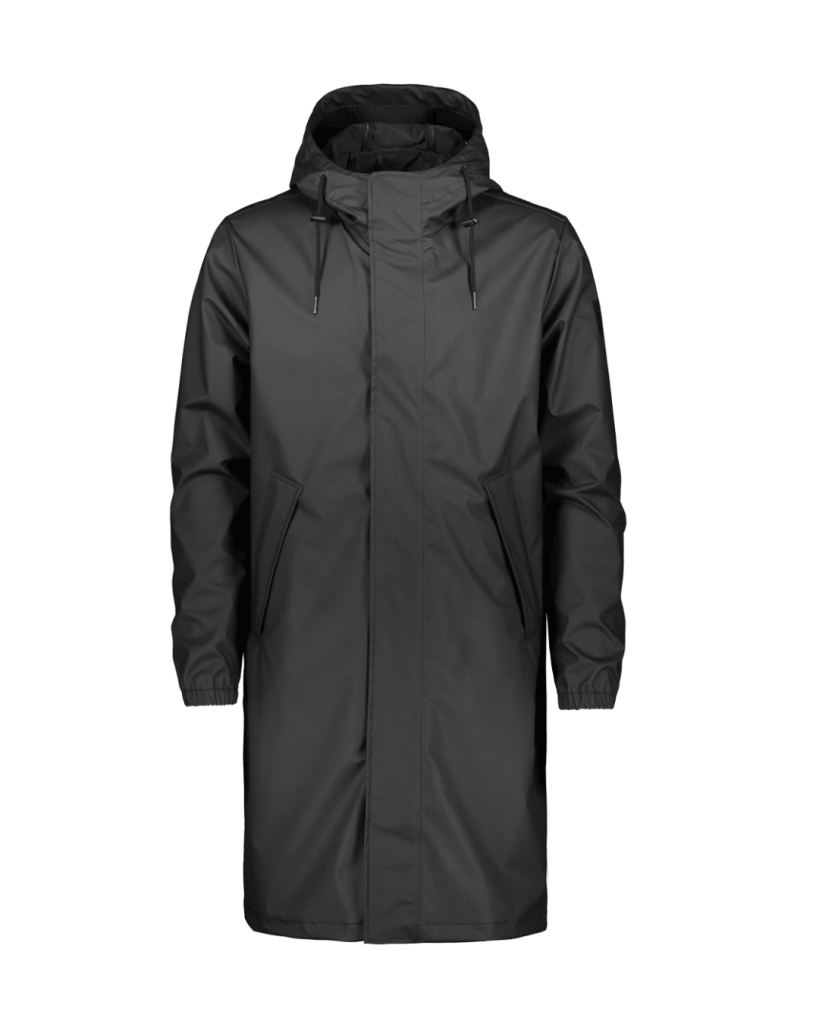
4- Warm clothing
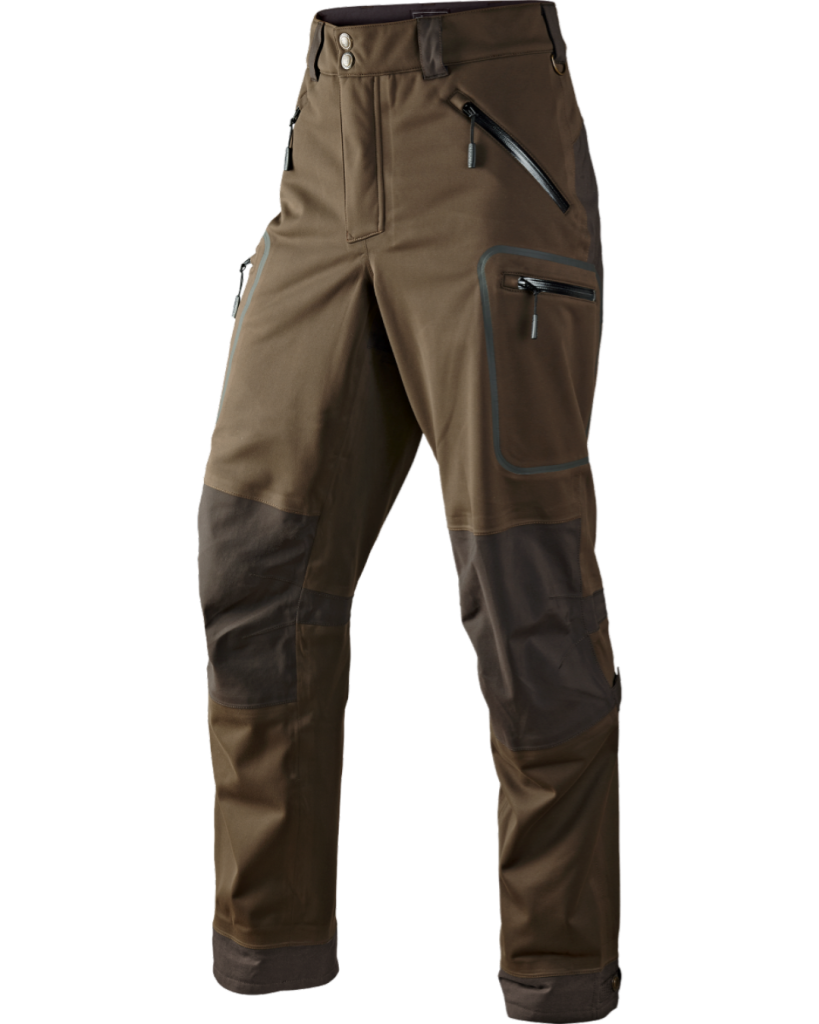
The weather in the Himalayas can be unpredictable, so pack warm clothing and rain gear, including a waterproof jacket, thermal inner wear, gloves, and a warm hat.
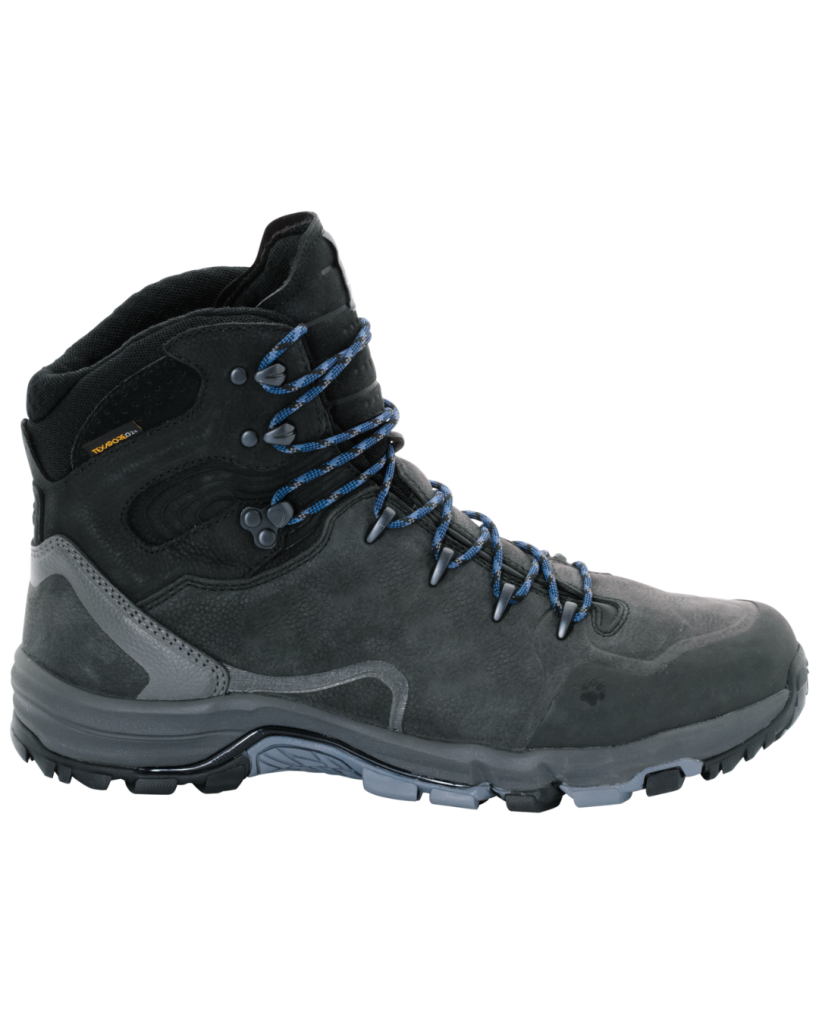
5- Sturdy footwear
Bring comfortable and sturdy footwear, such as hiking boots or trekking shoes, to help you navigate the often-difficult terrain.
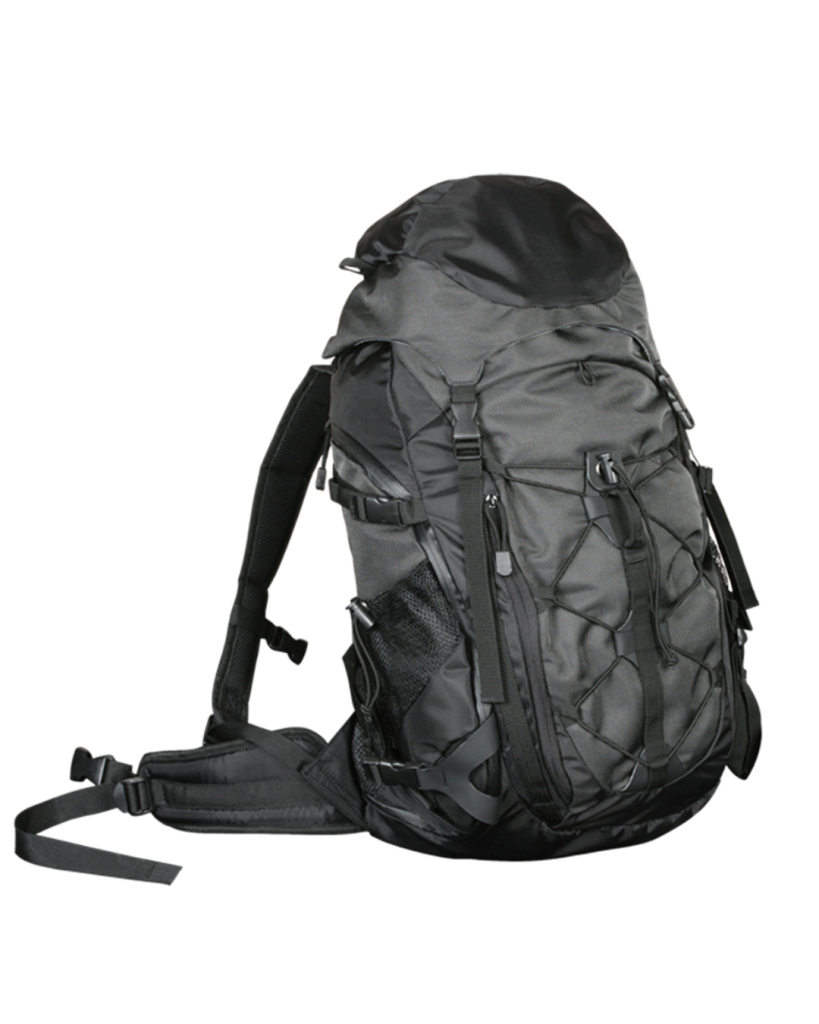
6- Backpack
A good backpack to carry your essentials and keep your hands free.
7- Torch and headlamp
A torch and headlamp are essential for navigating the temples at night and for any power cuts.
8- First-aid kit
It’s always a good idea to bring a basic first-aid kit, including band-aids, painkillers, and any personal medication you may need.
9- Water bottle
It is very important to stay hydrated while on the journey. It is advisable to carry a water bottle and a water purification tablets.
10- Snacks
Pack some light snacks and energy bars to keep you going during the day.
11- Camera
A camera or a mobile phone to capture the beautiful views and memories.
12- Travel insurance
Travel insurance is very important while travelling to any remote area. It will help you in case of any emergency.
13- Personal hygiene items
Pack your toiletries and personal hygiene items like soap, toothpaste, shampoo, and moisturizer.
By bringing these items, you will be well-prepared for your journey to the Chardham Yatra and have a safe and comfortable experience.
We are Certified Member of ATOAI (Adventure Tour Operators Association of India).
Being ISO ISO 9001: 2008 certified company and member of ATOAI (Adventure Tour Operators Association of India) we are known for best safety practices and excellent services.
Organising expeditions at over 100 peaks across the Himalayas that are permitted by the IMF.
Get in touch with us. E-mail us Monday-Saturday (10 AM to 6 PM)
2024 Himalayan Peak Adventures. All rights reserved